The choices of yesterday can create the realities of today.

We’ve all heard many folks talk about things they’ve done in the past and how that affected their present situation. They’ve talked about a past job that opened a door of opportunity, a relationship that may have impacted their life or even schooling or trade that may have added to their life. And, we’ve all seen and heard about someone who may have been a chain smoker and developed cancer or because of secondhand smoke affected someone in their household. Yes, the list is long and the list is real because it’s impacted every single one of us. Even a parent making decisions that impacted their life and that of their child or children. The point I’m making is those decisions occurred in their present tense at the time. In those moments where their forethought and decision-making abilities mattered the most, they either made a great decision or the worst decision.
“Be not deceived; God is not mocked: for whatsoever a man soweth, that shall he also reap.”— Galatians 6:7 (KJV)
Defining Moments in Biblical History…
Judas Iscariot, a disciple of Jesus, who we all read about, betrayed the Lord and changed history. He didn’t suddenly just wake and betray Jesus. The final act of betrayal was a result of several choices made over time. Let’s be reminded that Judas first allowed greed to enter his heart and take root.
“Then one of the twelve, called Judas Iscariot, went unto the chief priests, And said unto them, What will ye give me, and I will deliver him unto you? And they covenanted with him for thirty pieces of silver.” – Matthew 26:14-15.
He stated, “What will ye give me….” and, as a result of his greed and lust for money, he abandoned loyalty. His focus on material gain would not allow him to see the abundant opportunities to repent – he ignored them all. Judas, as one of the twelve, had close access to Jesus the Christ. He witnessed miracles firsthand, heard teaching, and yet made a decision that changed his life and legacy forever.
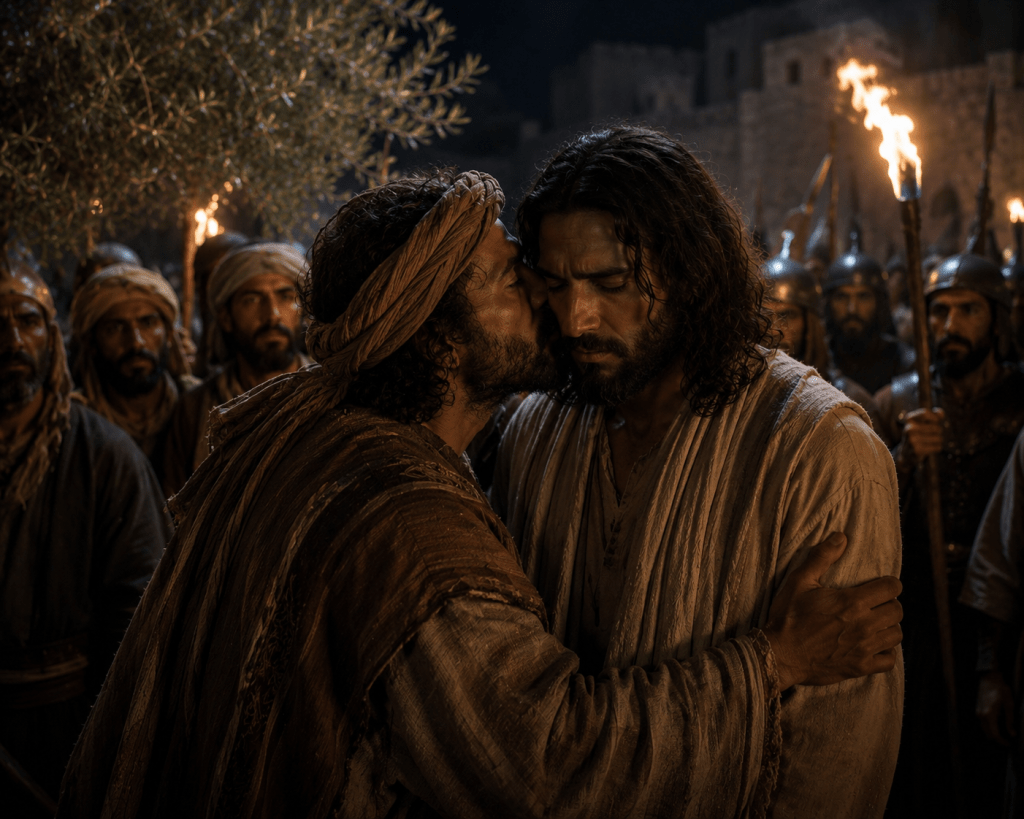
Judas Iscariot kisses Jesus.
Esther, who unlike Judas, made a selfless choice and risked her own life. Esther was a young Jewish woman living in the Persian Empire after many Jews were carried away from their homes into exile. Through God’s divine providence, Esther became queen to King Ahasuerus (Xerxes I), who was one of the most powerful rulers in the world at that time. Haman, a powerful official, harbored deep-seated hatred for the Jewish people. Driven by this animosity, he devised a plan to exterminate the entire Jewish population within the kingdom. His plan involved deceiving the king to achieve his objective.
“And the letters were sent by posts into all the king’s provinces, to destroy, to kill, and to cause to perish, all Jews, both young and old, little children and women, in one day…”– Esther 3:13.
A royal decree was issued authorizing the destruction of all Jews in the Persian Empire. This act wasn’t simply discrimination, but was genocide! All Jews, men, women, and children were marked for death. But in summary, Esther had a choice: to protect herself or risk her life to save her people. And her cousin, Mordecai, reminded her that it was God who may have placed her in the palace for that specific moment. And, Esther had a choice to make, her own defining moment.
“And so will I go in unto the king, which is not according to the law: and if I perish, I perish.” -Esther 4:16.
She stated, “If I perish, I perish”! She decided in her moment in the time of testing to be obedient and courageous as opposed to focusing on herself. She saved the Jewish people, who had been marked for destruction, and Haman was hung on the gallows the he had prepared for Mordecai.
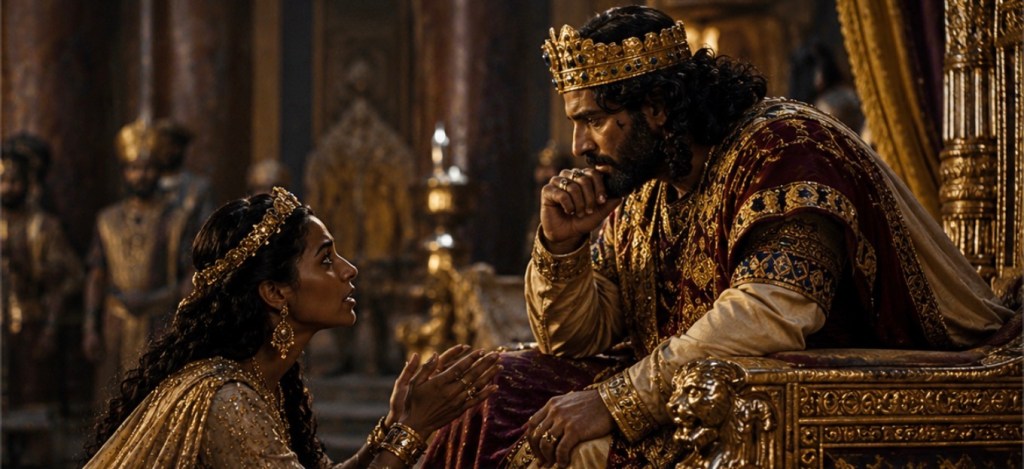
In Those Moments We Are, Who?
In summary, Esther taught us that many times the most significant decisions are not about what benefits us, but what benefits others. It reminds us that the Lord may have positioned you long before your purpose is revealed!
Judas made a decision that brought destruction, while Esther made a decision that brought deliverance! Judas asked, ‘What will you give me?’ Esther asked, ‘What can I give?’ You note, one chose selfish self-preservation and the other chose courage and self-sacrifice.
A single decision we all make can change our lives and others’ lives. When the moment comes for you to stand, will you stand and do what is right and hard or will you be selfish and focus on self-gain? Your moments become your monuments!
Let Us Pray
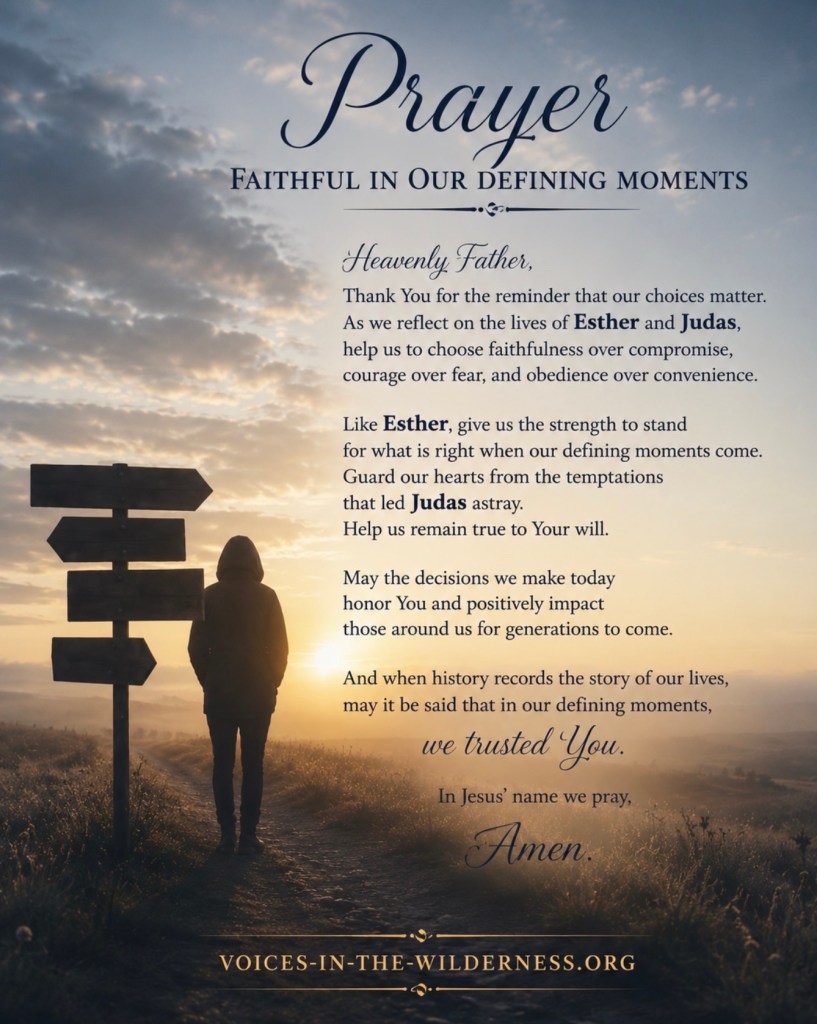
Remember, the Gospel is good news for all situations!


Leave a comment